Solo Travel Safety: Your Practical Planning Guide
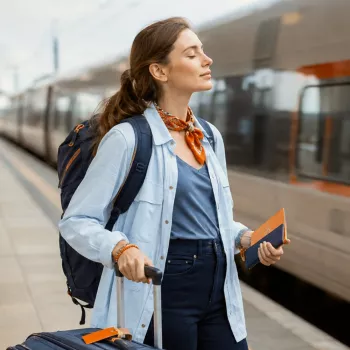
Traveling solo gives you the freedom to set your own pace, but it also means making your own decisions when plans change. A little preparation can make those decisions easier, whether you’re choosing a place to stay, navigating an unfamiliar city, or responding to an unexpected problem.
We approach solo travel safety as a collection of manageable habits, not a promise that every risk can be eliminated. Our downloadable guide can help you organize those habits before you leave and keep your planning notes close at hand.
Start Your Trip With a Safety Plan
Before booking, review the U.S. Department of State travel advisories for your destination. Check entry requirements through official government sources, too, and revisit both before departure. Requirements and local conditions can change between the day you book and the day you travel.
Share your itinerary with someone you trust, including your accommodation details, major travel dates, and a practical check-in schedule. Agree on what they should do if they cannot reach you. Keep those details private rather than posting your real-time location publicly.
Save copies of your passport and other essential documents in a secure location you can access while traveling. Keep emergency contacts available offline as well as on your phone, and consider carrying a separate paper copy of important numbers.
Health preparation belongs in your plan, too. The CDC Travelers’ Health site provides destination-specific information you can review before speaking with a health professional about your trip.
Choose a Place to Stay With Care
A convenient location can make arrivals and daily outings less stressful. Look for recent reviews that mention the neighborhood, security, and how staff respond to concerns. Consider how you’ll get there from the airport or station, especially if you arrive after dark.
Confirm the address independently and make sure the check-in process works for your arrival time. Look for secure entry and, once inside your room, check that the locks work and identify an emergency exit route. If something feels wrong, contact the property’s staff and consider another arrangement.
Solo Accommodation Safety Checklist
| Check | What to look for | When to check |
|---|---|---|
| Location | Transport access and recent neighborhood information | Before booking |
| Reviews | Recent comments about security and staff responsiveness | Before booking |
| Arrival | Confirmed address and a safe route from the airport or station | Before departure |
| Room | Working locks and a clear emergency exit route | At check-in |
Once you’re settled, avoid sharing your room number or precise whereabouts with strangers. You can be friendly and open to meeting people while still keeping personal details private.
Build Safer Habits While Exploring
Before you head out, decide how you’ll reach your destination and return to your accommodation. Use reputable transport booking methods where available, and check the route and fare information in advance. Downloading an offline map can help if your connection is unreliable.
Keep valuables out of sight and pay attention to your surroundings, particularly in crowded areas and at transport hubs. If a situation feels uncomfortable, you can change your plans, leave, or ask for help. You do not owe a stranger an explanation for prioritizing your comfort.
Charge your phone before leaving and carry a power bank if you have one. Store a backup payment method separately from your main wallet so that a lost bag does not necessarily leave you without access to funds. Keep a small amount of local currency handy when appropriate for your destination.
Prepare for the Unexpected
Save local emergency numbers and the contact details for your embassy or consulate before departure. Review your travel insurance coverage so you understand relevant limits, exclusions, and how to reach the provider. Keep the policy number somewhere accessible without relying solely on an internet connection.
If something goes wrong, move to a safer public place when you can and seek appropriate local assistance. Depending on the situation, that might mean contacting emergency services, accommodation staff, your insurer, or your embassy or consulate. Let your trusted contact know what has happened when it is practical to do so.
If your solo trip includes a pet, our Must-Know Pet First-Aid Cheat Sheet is another printable resource to consider. It can help you prepare, but it does not replace veterinary care; save contact details for a veterinarian at your destination as well.
Keep Your Planning Handy With a Digital Guide
Our Solo Traveler’s Guide to Staying Safe is a PDF eBook focused on solo travel safety tips, checklists, and security planning. It is in stock as a digital download for $8.99 USD.
Use it as a planning companion alongside current local advice, rather than a substitute for destination-specific guidance. Our team recommends pairing your checklist with the details of your own trip: arrival time, transport options, accommodation, health needs, and a contact who knows your plans.
FAQ
Where is the best place to stay for a solo traveler?
Choose accessible, well-reviewed accommodation with secure entry and a practical arrival route. The best choice depends on your destination, budget, and travel plans.
What should a solo traveler prepare before leaving?
Check current travel advisories and entry requirements, share your itinerary with a trusted contact, and save emergency numbers. Arrange your first journey to your accommodation before you depart.
How can a digital travel safety guide help?
A PDF guide can help you organize safety considerations and work through pre-trip planning. You should also check current guidance specific to your destination.










Leave a comment